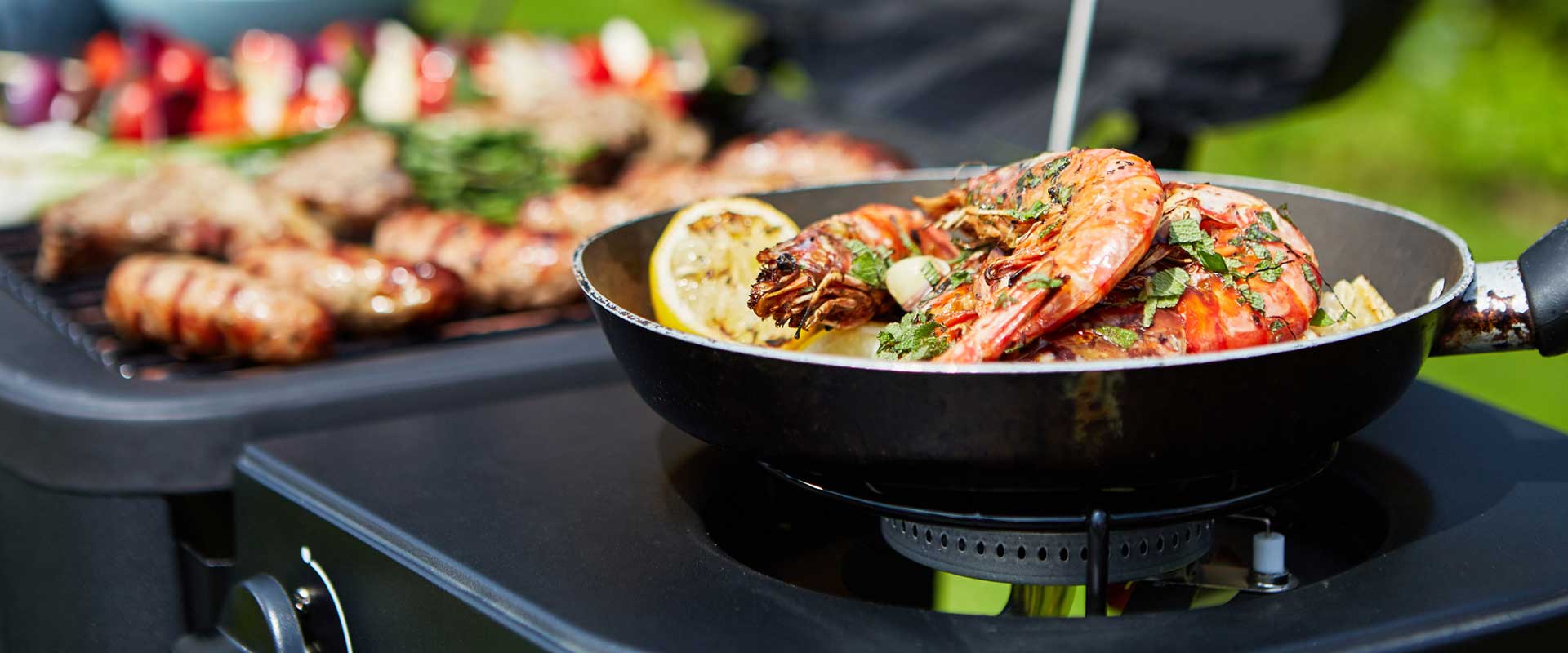
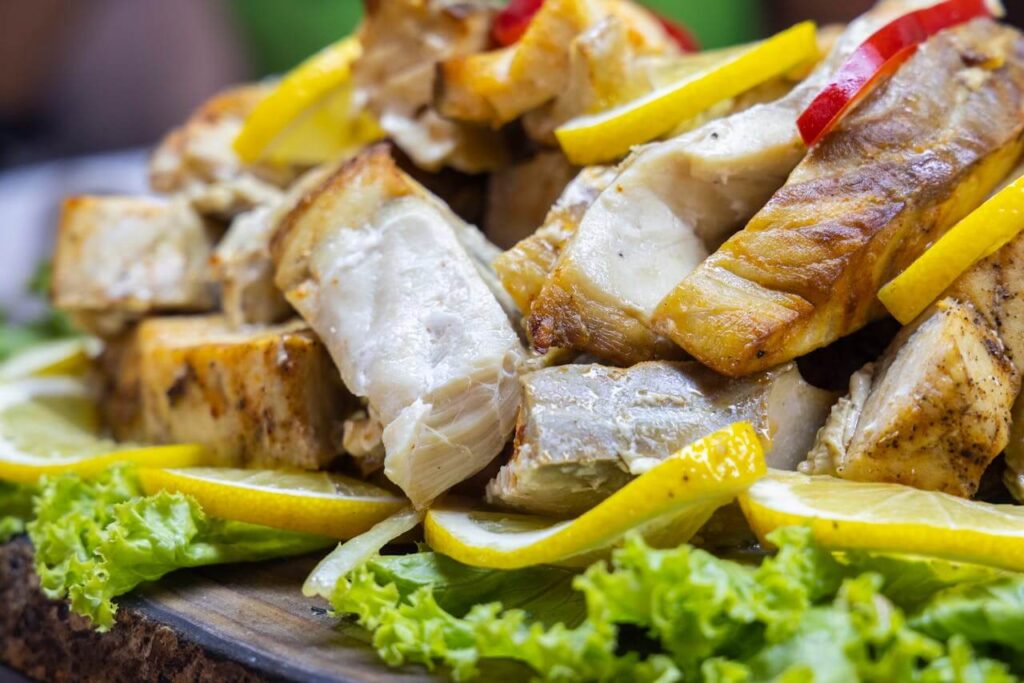
The Right Way To Cook Fish On A Barbecue
Cooking fish on a barbecue can feel tricky at first. Fish cooks quickly, sticks easily, and can break apart when moved too early. But with the right preparation, barbecue fish can become one of the easiest and most rewarding foods to cook outdoors.
Fish works well on both gas and charcoal barbecues. It absorbs smoky flavour quickly, cooks in minutes, and suits everything from light summer lunches to larger garden meals.
To barbecue fish well is easy. Use firm fish, preheat the grill and use a high heat, oil the fish, and don’t turn too early.
Salmon, sea bass, tuna, and mackerel work well on both charcoal and gas barbecues. They hold together during cooking and absorbing the smoky flavours well.
Why fish works so well on a barbecue
Barbecuing adds flavour naturally. Sauces become a genuine addition, but not a necessity. The heat creates a crisp outer texture while keeping the inside moist and flaky. Fish also cooks faster than most meats, so meals are easier to prepare without waiting.
Oily fish such as salmon, mackerel, sardines, and trout are particularly good on a barbecue because they stay moist over the direct heat of a grill. Firmer white fish, like cod, haddock, monkfish, and sea bass also work well. You just need a little more care.
Fish is healthier. It is lighter, filling and satisfying.
Choosing the best fish for your BBQ
Not every fish cooks the same on a grill. Firmer fish is easier to handle. Others need more attention during cooking. Thin, delicate fish such as sole can still work well. But these are better cooked in foil packets or a grill basket.
The best fish for the BBQ include:
- Salmon
- Tuna steaks
- Sea bass
- Mackerel
- Monkfish
- Swordfish
- Prawns
- Sardines
- Langoustines
Preparing fish before grilling
You’re probably aiming for a crispy outer and moist, flaky flesh. In many cases, simple seasoning works best. It allows the fish’s natural flavour to stand out.
Before cooking fish on a charcoal barbecue or gas grill:
- Pat the fish dry with kitchen paper
- Brush lightly with oil
- Season with salt and pepper
- Add lemon, herbs, garlic, or spices if wanted
Drying the surface helps prevent sticking and improves browning. Oiling the fish is important. It stops it sticking.
Note: If you’re using marinades, leaving fish in acidic ingredients like lemon juice, vinegar, and similar ingredients can begin to break down the texture after around 30 minutes.
Should fish be cooked skin-On?
Cooking fish with the skin on helps hold the fillet together and protects the flesh from direct heat. Crispy skin also adds texture and flavour during grilling.
Skinless fillets and delicate fish can still work well, although they are usually better grilled in foil or a fish basket.
See all our seafood recipes.
Gas or charcoal barbecue for cooking fish?
Both work well for fish, but with slightly different results.
Cooking fish on a charcoal barbecue
Cooking fish on a charcoal barbecue gives food a smoky flavour that works especially well with salmon, mackerel, and whole sea bass. The higher heat also helps create crisp skin.
Good quality charcoal briquettes maintain steadier heat throughout cooking. This makes cooking easier to control.
Cooking fish on a gas barbecue
Gas barbecues deliver the ultimate temperature control. There’s no overcooking. Gas BBQs are also great for cooking delicate fish fillets that may need gentler heat.
How to stop fish sticking to the grill
One of the most common problems with grilled fish is it sticking. This happens because the grill is not hot enough or the fish is moved too early.
To reduce sticking:
- Preheat the grill properly
- Clean old residue from the grates
- Dry the fish before cooking
- Oil the fish
Fish often sticks during the first stage of cooking, then releases once the surface has properly seared. Don’t turn the fish until it has released.
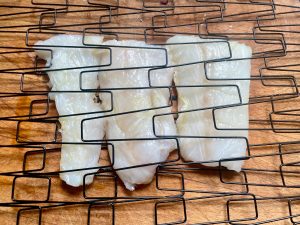
A fish basket can also help. It holds delicate fillets securely and makes turning much easier.
Cooking fish directly on the grill
Firm fish fillets and steaks can usually go straight onto the grill. Place the fish skin-side down first if the skin is still attached. This protects the flesh from direct heat and creates a crisp outer.
As a guide:
- Thinner fillets may need only 2 to 3 minutes per side
- Larger salmon fillets may need 4 to 6 minutes per side
- Whole fish often takes around 15 to 20 minutes depending on size
Cooking fish in foil parcels
Foil packets are a great way to barbecue seafood successfully. They help lock in moisture and reduce the risk of breaking delicate fillets.
Simply place fish onto foil with vegetables, herbs, butter, lemon, or seasoning. Seal the packet tightly and cook over medium heat.
This method works especially well for:
- Cod
- Haddock
- Tilapia
- Trout
- Mixed seafood
Note: Foil packets also make cleaning much easier.
Barbecuing whole fish
Whole fish can look impressive while remaining surprisingly simple to cook.
Sea bass, trout, and mackerel are all popular choices. The skin protects the flesh during cooking, helping keep everything moist.
To prepare whole fish:
- Score the skin lightly
- Stuff the cavity with herbs and lemon
- Oil the fish
- Cook over medium heat
Turning whole fish carefully is important. Make sure you support the fish properly.
Side dishes that Work Well With Barbecued Fish
Fish goes well with lighter summer sides.
Good options include:
- Grilled vegetables
- Potato salad
- Rice dishes
- Corn on the cob
- Fresh salads
- Flatbreads
- Couscous
- Roasted new potatoes
Common Mistakes When Cooking Fish on a Barbecue
Many barbecue problems come from rushing the process or using too much heat.
Using extreme heat
Fish cooks quickly, so extreme heat can dry it out before the centre cooks properly.
Turning fish too often
Before it’s moved, fish needs time to form a crust. Constant turning, or turning too early, increases the chance of it falling apart.
Overcooking
Fish continues cooking slightly after leaving the grill. Getting it off just before it’s fully finished often gets you better results.
Forgetting to oil the grill or the fish
Fish will do its best to stick, so don’t leave your grates dry. It’s usually better to oil the fish itself.
Can You Barbecue Frozen Fish?
Fresh fish gives the best texture, although frozen fish can still work well if properly thawed first.
If it’s fresh fish that you froze, defrost it fully in the fridge before cooking. Pat it dry carefully to absorb the extra moisture from freezing.
Cooking directly from frozen is possible but makes sticking and uneven cooking more likely. Use smaller cuts. Shop frozen fish is usually unsuitable for grilling.
Final Thoughts
Grilling fish is much easier once you know about prep and heat.
Start with firmer fish, like salmon or tuna to build your confidence quickly. From there, it becomes easier to experiment with whole fish, seafood skewers, or more delicate.
Whether using charcoal barbecues for smoky flavour or gas grills for temperature control, fish is a versatile food to cook outdoors.